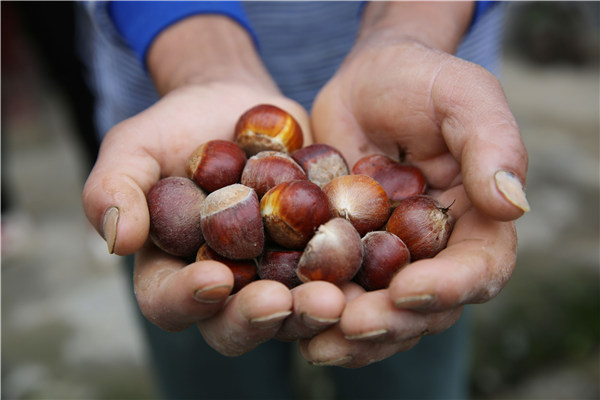
Roasted Chestnuts
Introduction
Roasted chestnuts, a beloved treat enjoyed worldwide, are particularly cherished during the colder months. These nuts, which are the seeds of the chestnut tree, are encased in a spiky shell known as a burr. Once harvested, chestnuts are traditionally roasted to enhance their sweet, nutty flavor and soft, creamy texture. Popular for their comforting warmth and rich taste, roasted chestnuts have become a seasonal staple in markets and street stalls, especially in regions with cooler climates. The process of roasting these nuts not only intensifies their flavor but also fills the air with a tantalizing aroma that invites people to indulge in this timeless snack.
History
The practice of roasting chestnuts likely began as a way to make the nuts more palatable and easier to digest. In ancient times, chestnuts were a vital food source for rural communities, particularly in mountainous regions where other crops were scarce. Over time, the popularity of roasted chestnuts spread to urban centers, where vendors would set up stalls to sell these warm snacks to passersby. In China, roasted chestnuts have been a street food staple, with vendors using large roasting machines to prepare the nuts. In Europe, particularly in Italy and France, chestnuts are an integral part of traditional autumn and winter festivities. The versatility of chestnuts has allowed them to remain a staple ingredient in various cultural dishes, contributing to their enduring popularity.
Ingredients and Preparation
The primary ingredient for roasted chestnuts is, of course, the chestnuts themselves. Selecting the right chestnuts is crucial for achieving the best results. Look for fresh, shiny, and firm chestnuts; these qualities indicate that the nuts are in good condition and ready for roasting. Before roasting, it's essential to prepare the chestnuts properly to ensure even cooking and prevent them from exploding during the process. Begin by washing the chestnuts thoroughly to remove any dirt or debris. Next, use a sharp knife to make a small incision on the flat side of each nut. This cut allows steam to escape during roasting and makes shelling easier once the nuts are cooked. While chestnuts are the main ingredient, variations in preparation can include adding seasonings such as salt, sugar, or spices to enhance their flavor. The straightforward nature of the ingredients and preparation process makes roasted chestnuts an accessible and delightful snack for all.
Cooking Methods
Traditional Roasting
Traditional roasting of chestnuts involves using open fires or large iron pans filled with hot sand. In many places, especially on the streets of Beijing, vendors use big black drum roasters or huge iron woks to roast chestnuts. The chestnuts are placed in the roasting device, where they are tossed and turned in heated sand mixed with sugar. This method not only helps to cook the chestnuts evenly but also adds a delightful caramelized flavor. The constant movement of the nuts in the sand ensures they absorb heat evenly, crack open, and develop their characteristic sweet taste and soft texture. Once roasted, the chestnuts are sifted to remove any remaining sand and are then ready to be enjoyed.
Modern Techniques
With the advent of technology, modern roasting methods have emerged, offering convenience without sacrificing quality. Today, many chestnuts are roasted in automated steel drums, which rotate to ensure each nut is evenly exposed to heat. These machines make the process more efficient and can roast large batches of chestnuts at a time. For those who prefer to roast chestnuts at home, ovens provide an easy alternative. After scoring the nuts, preheat the oven to around 425°F (220°C), place the chestnuts on a baking sheet, and roast them for approximately 20-30 minutes. Turning them occasionally ensures even roasting. Modern techniques focus on maintaining the traditional flavors while adapting to contemporary lifestyles.
Nutritional Value
Chestnuts are not only delicious but also packed with nutritional benefits. Unlike other nuts, chestnuts are lower in calories and fats while being rich in carbohydrates. They are an excellent source of dietary fiber, which aids in digestion and promotes a feeling of fullness. Chestnuts also contain vitamin C, antioxidants, and essential minerals such as potassium, magnesium, and iron. These nutrients contribute to improved heart health, better blood circulation, and enhanced energy levels. The low-fat content and presence of complex carbohydrates make chestnuts a healthy snack option for those looking to maintain a balanced diet. Additionally, chestnuts are gluten-free, making them suitable for individuals with gluten sensitivities or celiac disease.
Cultural Significance
Roasted chestnuts hold a special place in many cultures, symbolizing warmth, comfort, and the spirit of the season. In China, roasted chestnuts are synonymous with winter, often appearing in markets and street stalls as the temperature drops. They are a popular treat during festivals and celebrations, bringing people together with their inviting aroma and rich flavor. The practice of roasting chestnuts dates back centuries and has been passed down through generations, becoming a cherished ritual that evokes nostalgia and a sense of community.








